Criticisms and debates surrounding government transfer programs

Criticism and debates on government transfer programs often revolve around concerns about effectiveness and fairness. Detractors argue that such initiatives can create dependency and disincentivize work. However, proponents highlight their role in reducing poverty and inequality. The discourse often escalates during budget negotiations and election seasons, reflecting differing philosophies on the role of government in society. Emotions run high as citizens grapple with balancing compassion for those in need and fiscal responsibility. The complexities of these programs spark heated discussions among policymakers and the public, ultimately shaping the direction of social welfare policies in the country.
Read more
Effectiveness and efficiency of government transfer programs

Government transfer programs aim to aid citizens in need, but their effectiveness and efficiency vary. The impact on recipients' lives can be profound, influencing their ability to meet basic needs and improve their well-being. When these programs are well-designed and managed, they can uplift individuals and families, reducing poverty and inequality. However, challenges such as bureaucracy and resource allocation can hinder their success. Accountability and transparency in program implementation are crucial to ensure that resources reach the intended beneficiaries. Continual evaluation and adaptation of these programs are essential to enhance their impact and generate positive outcomes for those in need.
Read more
Types of government transfer programs

Government transfer programs encompass a variety of initiatives designed to provide assistance to individuals in need. Common types include cash assistance, food assistance, housing assistance, healthcare assistance, and educational assistance. These programs aim to address poverty, inequality, and other social challenges by offering financial support and resources to eligible individuals and families. Each program has specific eligibility criteria and application processes that must be followed to receive benefits. Government transfer programs play a crucial role in helping vulnerable populations meet their basic needs and improve their quality of life. Access to these programs can make a significant difference in the well-being of individuals and communities.
Read more
Overview of government transfer programs

Government transfer programs aim to assist individuals facing financial hardships, providing aid through various means. These programs encompass a range of services, such as unemployment benefits, welfare, and food assistance. They offer crucial support to vulnerable populations, including low-income families, the elderly, and individuals with disabilities. By redistributing resources, these programs help reduce inequality and promote social welfare. Government transfers play a vital role in enhancing economic security and alleviating poverty. They serve as a safety net for those in need, offering a lifeline during challenging times. Overall, these initiatives are instrumental in cultivating a more equitable society.
Read more
Impact of government transfer programs on income inequality
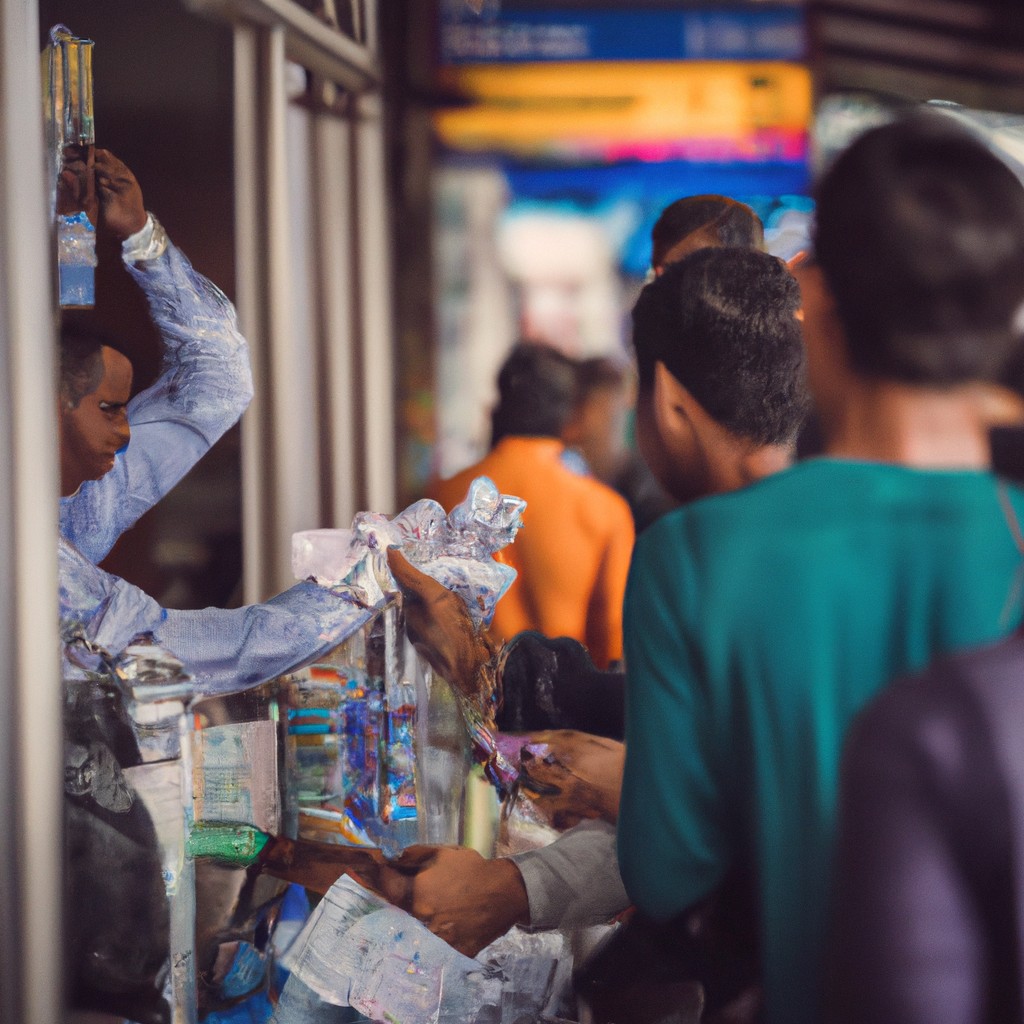
Government transfer programs play a crucial role in reducing income inequality. By providing financial assistance to those in need, these programs help level the playing field. Through targeted support for low-income individuals and families, the government helps ensure everyone has access to basic necessities. Social safety nets like welfare, food stamps, and housing assistance can make a significant impact on reducing poverty rates. Additionally, progressive tax policies can further contribute to lessening income disparities. By redistributing wealth through taxation, the government can support social equity and create a more balanced society. Overall, government transfer programs are essential tools in addressing income inequality and promoting economic fairness.
Read more
Examples of successful cash transfer programs

Successful cash transfer programs have transformed the lives of families in poverty-stricken communities worldwide. In Brazil, the Bolsa Familia program significantly reduced poverty rates and improved health and education outcomes for millions of low-income families. Kenya's Hunger Safety Net Program effectively delivered cash transfers to vulnerable populations during periods of food insecurity, making a significant impact on reducing poverty levels and improving nutrition. Mexico's Oportunidades program provides cash transfers to families in exchange for regular health check-ups and school attendance, resulting in improved health outcomes and increased school enrollment rates. These examples illustrate the power of cash transfer programs to alleviate poverty and improve the well-being of individuals and communities.
Read more
Examples of Cash Transfer Programs

Cash transfer programs provide financial assistance to those in need, promoting economic stability and self-reliance. In Brazil, the Bolsa Familia program supports millions of low-income families, improving health and education outcomes. Kenya's Hunger Safety Net Program ensures food security for vulnerable communities, reducing hunger and poverty levels. The United Kingdom’s Child Benefit program offers financial support to families with children, fostering well-being and societal equality. These examples show the positive impact of cash transfer programs on individuals and communities, highlighting the effectiveness of targeted financial assistance in addressing social and economic challenges. Cash transfers empower recipients, enabling them to build a better future for themselves and their families.
Read more
Government transfer programs and their influence on income distribution

Government transfer programs play a pivotal role in shaping income distribution in a nation. These programs aim to provide financial assistance to individuals and families who are struggling economically. By redistributing wealth, they seek to reduce income inequality and alleviate poverty. Through various mechanisms such as welfare, unemployment benefits, and social security, the government provides a safety net for the most vulnerable members of society. These programs can have a profound impact on people's lives, offering them a lifeline in times of hardship. However, critics argue that such programs create a dependency culture and discourage individual effort. It is a complex and contentious issue that requires careful consideration and balancing of societal needs.
Read more
Wealth transfer through inheritance and estate taxes.

The intertwining of wealth transfer, inheritance, and estate taxes unravels a complex tale of financial legacies and the impact they have on individuals and society. Within this narrative, the passage of assets from one generation to the next emerges as a poignant symbol of the age-old pursuit of preserving and perpetuating prosperity. Behind the tangible transactions, however, lies a profound emotional journey, where familial ties and ancestral history intersect with burdensome obligations. Estate taxes, often sparking heated debates, serve to balance the scales of societal equality and redistributive justice. This intricately woven tapestry of wealth transfer through inheritance and estate taxes embodies the hopes, dreams, and responsibilities of those who have gone before us, shaping the destiny of generations to come.
Read more