Economic systems

An economic system refers to the way a country or society organizes and manages its resources, production, and distribution of goods and services. It is the framework that determines how economic decisions are made, such as what to produce, how to produce it, and who will benefit from the produced goods and services. There are various types of economic systems, ranging from market economies, where the forces of supply and demand determine production and consumption, to command economies, where the government controls all aspects of economic activity. Each system has its own advantages and disadvantages, influencing the economic well-being and societal structure of a nation.
Read more
Role of money in electoral systems
The role of money in electoral systems has become increasingly influential in shaping political outcomes. Financial resources allow candidates to run extensive campaigns, reaching a wider audience and increasing their chances of electoral success. Money enables candidates to invest in advertising, hire professional staff, and organize large-scale rallies, all of which contribute to building name recognition and attracting voter support. However, concerns have been raised about the influence of money on electoral processes, including its potential to favor wealthy individuals or interest groups over those with limited resources. As such, the role of money in electoral systems has become a topic of debate, with ongoing discussions on how to ensure a fair and balanced playing field for all candidates.
Read more
Types of electoral systems
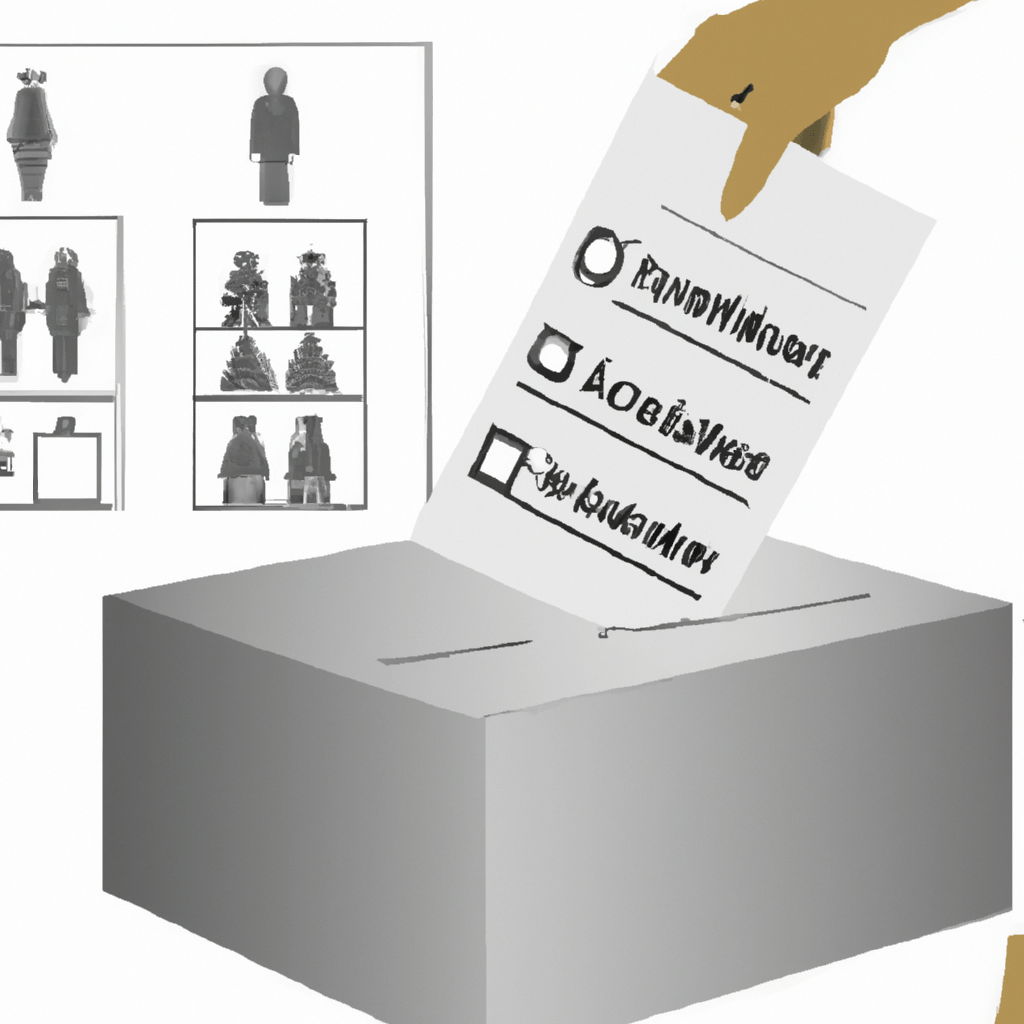
There are various types of electoral systems used throughout the world to determine the outcomes of elections. One common system is the plurality system, where the candidate who receives the most votes wins, regardless of whether they have a majority. Another system is the majority system, where a candidate must obtain an absolute majority to win. Proportional representation systems allocate seats based on the percentage of votes received by each party, ensuring proportional representation in the legislative body. Mixed electoral systems combine elements of both plurality and proportional representation systems. Other electoral systems include the single transferable vote and the alternative vote, which prioritize voter preferences. Each system has its advantages and disadvantages, influencing the fairness and representativeness of elections.
Read more
electoral systems
An electoral system is a method used to determine the outcome of elections in a democratic society. It is a framework that establishes the rules and procedures for electing representatives and leaders. Electoral systems vary across different countries and can have a significant impact on the distribution of political power. They shape the ways in which votes are cast, counted, and translated into seats or positions of power. From simple plurality systems to proportional representation systems, each electoral system has its advantages and disadvantages, affecting voter representation, political party dynamics, and the overall fairness and legitimacy of the electoral process.
Read more