Government-provided social safety nets
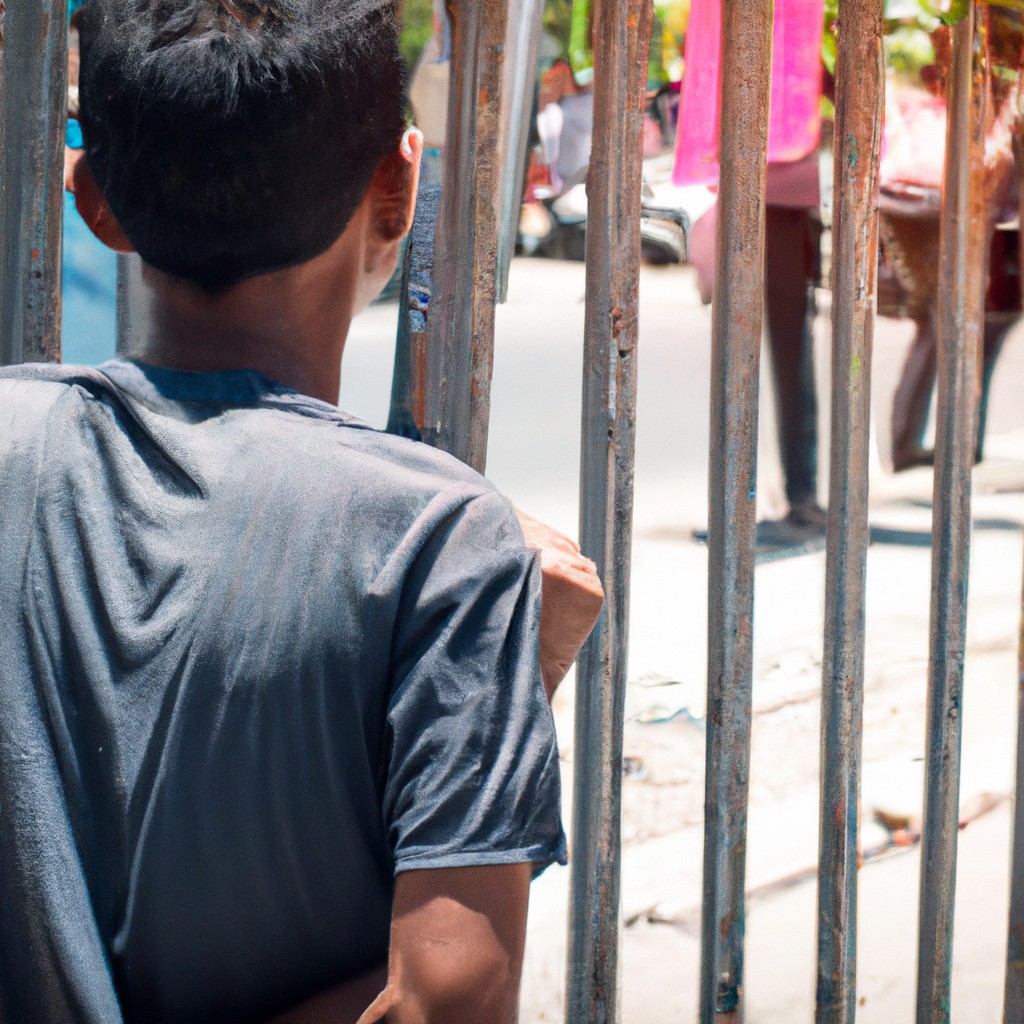
Government-provided social safety nets offer a vital lifeline for vulnerable individuals facing financial hardships. These programs encompass various forms of assistance, such as unemployment benefits, food stamps, and healthcare coverage. They serve as a cornerstone in promoting social equality and mitigating the impact of economic disparities. Through these initiatives, the government demonstrates its commitment to supporting those in need and fostering a more inclusive society. By prioritizing the well-being of its citizens, the government helps alleviate the stress and uncertainty associated with financial insecurity. Social safety nets play a crucial role in ensuring that individuals have access to essential resources during challenging times.
Read more
Examples of social safety nets in developing countries.

In developing countries, social safety nets play a crucial role in supporting vulnerable populations. Cash transfer programs offer direct financial assistance to families living in poverty. Food assistance programs provide essential nourishment to combat hunger and malnutrition. Job training initiatives help individuals acquire skills to secure employment. Healthcare subsidies ensure access to essential medical services for those in need. School meal programs enhance children's nutrition and educational outcomes. These examples of social safety nets in developing countries demonstrate a commitment to reducing poverty and improving the well-being of the most marginalized communities. Such initiatives require ongoing support and investment to create lasting positive impacts.
Read more
Examples of social safety nets in developed countries

Examples of social safety nets in developed countries include unemployment benefits, healthcare assistance, and food aid programs. These initiatives aim to support individuals facing financial hardships due to unforeseen circumstances like job loss or illness. In countries like Sweden and Germany, citizens can access generous benefits such as job training programs and childcare support. Additionally, in the United States, programs like Social Security and Medicare provide crucial financial assistance to elderly and disabled individuals. These safety nets play a vital role in promoting social and economic stability, ensuring that vulnerable populations have access to essential resources during challenging times.
Read more
Criticisms of social safety nets

Critics argue social safety nets breed dependence, stifling motivation and fostering a culture of entitlement. This view believes that robust safety nets disincentivize self-reliance, potentially perpetuating cycles of poverty. Skeptics also raise concerns about the sustainability and cost-effectiveness of welfare programs. Some worry that safety nets may discourage individuals from seeking employment or pursuing their full potential. Critics further question the effectiveness of social safety nets in addressing root causes of inequality and poverty, advocating for alternative solutions. Despite differing perspectives, the debate surrounding social safety nets remains complex and multifaceted, reflecting broader societal values and priorities.
Read more
Challenges of social safety nets

Social safety nets face challenges in providing adequate support, often overwhelmed by increasing demand and limited resources. Vulnerable populations, such as the elderly and children, may fall through the cracks due to gaps in coverage. Bureaucratic hurdles and complex eligibility criteria hinder access for those in need. Political uncertainty and funding cuts further strain the effectiveness of these essential programs. Lacking coordination between different agencies leads to inefficiencies and duplication of efforts. As a result, many individuals continue to struggle to access the assistance they require, highlighting the pressing need for reform and improved support structures in our society.
Read more
Understanding social safety nets

Social safety nets are crucial for supporting vulnerable individuals in society. These programs provide assistance during times of need, such as unemployment, disability, or old age. By offering financial aid and essential services, social safety nets help prevent individuals from falling into poverty and deprivation. Understanding how these systems work is vital for creating a more inclusive and equitable society. Government-funded programs like unemployment benefits, food assistance, and healthcare coverage play a significant role in ensuring that every person has access to basic necessities. By supporting those in need, social safety nets contribute to building a more resilient and compassionate community.
Read more
Role of government in social safety nets

The government plays a crucial role in creating and maintaining social safety nets for vulnerable populations. Through various programs and policies, such as welfare assistance and healthcare initiatives, the government aims to provide a basic level of support and protection for those in need. By implementing these safety nets, the government helps to alleviate poverty, improve access to essential services, and promote overall societal well-being. In times of economic uncertainty or crisis, these safety nets serve as a lifeline for individuals and families facing hardship, ensuring that they have the resources and support necessary to weather difficult circumstances.
Read more
Impacts of social safety nets

Social safety nets play a crucial role in providing support to vulnerable individuals and families during difficult times. By offering financial assistance, healthcare coverage, and other essential services, these programs help reduce poverty and inequality. Social safety nets also promote social cohesion and stability by ensuring that everyone has access to basic necessities. They provide a sense of security and hope to those facing adversity, offering a lifeline during challenging circumstances. As a result, social safety nets strengthen communities and create a more inclusive society where everyone has the opportunity to thrive and succeed. The impact of these programs is profound and far-reaching.
Read more
Impact of social safety nets

Social safety nets play a vital role in supporting vulnerable members of society. These programs provide essential assistance to those in need, alleviating poverty and promoting stability. By offering a safety net, governments can ensure that individuals have access to basic necessities like food, shelter, and healthcare. These programs not only improve individual well-being but also contribute to overall societal cohesion. In times of crisis or economic hardship, social safety nets serve as a lifeline for many, offering a sense of security and hope. Through these initiatives, communities can weather challenges and build a more resilient future for all.
Read more
Benefits of social safety nets

Social safety nets provide crucial support for vulnerable individuals, offering financial aid during difficult times. These programs enhance societal stability and economic resilience by reducing poverty levels and promoting overall well-being. By assisting individuals in meeting basic needs, social safety nets contribute to improved health outcomes and increased access to education. They play a key role in reducing inequality and fostering a sense of security among communities, promoting a more inclusive and compassionate society. Moreover, social safety nets help prevent individuals from falling into extreme poverty, providing a critical lifeline for those facing adversity. Overall, these programs have a positive impact on society as a whole.
Read more