Intersectionality and gender roles

Intersectionality examines how various aspects of identity, like gender and race, intersect to shape experiences. Gender roles are societal expectations dictating behavior based on perceived male or female traits. Intersectionality challenges traditional gender norms by recognizing the complexity of individuals' identities. It sheds light on how race, class, and other factors intersect to influence gender experiences. This perspective highlights the need to address gender inequality in a holistic manner, acknowledging the interconnected nature of societal structures. By understanding how different aspects of identity intersect, we can better advocate for inclusivity and equality for all individuals, regardless of their gender or background.
Read more
History of gender roles

Gender roles throughout history have been shaped by societal norms, defining expectations for men and women. In ancient civilizations, roles were often rigidly divided, with men as warriors and providers, while women cared for the home and children. However, over time, these roles evolved due to factors like industrialization and women's rights movements. In the 20th century, changing attitudes led to more equality in labor and voting rights. Despite progress, gender stereotypes continue to influence society today, impacting areas such as parenting and career choices. Understanding the history of gender roles is essential for promoting a more inclusive and equitable future.
Read more
Gender roles in the workplace

Gender roles in the workplace have evolved over time, yet disparities persist. Women often face subtle biases, hindering career advancement. Stereotypical expectations shape opportunities and influence leadership roles in organizations. Female workers still encounter challenges regarding equal pay and promotion chances. Initiatives promoting diversity and inclusion foster positive change. Addressing unconscious bias is crucial to creating a fair work environment. Collaborative efforts can enhance gender equality and empower women to thrive professionally. Embracing diverse perspectives yields innovation and fosters a more inclusive workplace culture. Overcoming ingrained stereotypes requires consistent effort and commitment from all members of an organization. By valuing diversity, businesses can achieve greater success and sustainability.
Read more
Gender equality

Achieving true gender equality requires dismantling social norms and systemic barriers that perpetuate discrimination. It involves empowering individuals to challenge biases and advocate for fair treatment. Gender equality fosters a world where all people, regardless of gender, have equal opportunities to thrive and succeed. It is a fundamental human right that promotes diversity, inclusivity, and respect for individual differences. By promoting gender equality, societies can unlock the full potential of all individuals, creating a more just and equitable world for future generations. Embracing diversity and inclusion is vital in creating a society where everyone can reach their full potential.
Read more
gender stereotypes and expectations

Gender stereotypes and expectations have long influenced society's perception of individuals' abilities and roles. These rigid beliefs can limit personal growth and hinder societal progress. Women often face pressure to conform to traditional nurturing roles, while men are expected to be strong and emotionless. These unrealistic standards can lead to feelings of frustration and unfulfillment. It is crucial to challenge these stereotypes and embrace individuality. By breaking free from these limitations, we empower ourselves and pave the way for a more inclusive future. Let us celebrate diversity and recognize that everyone deserves the freedom to define their own identity.
Read more
gender representation in leadership roles
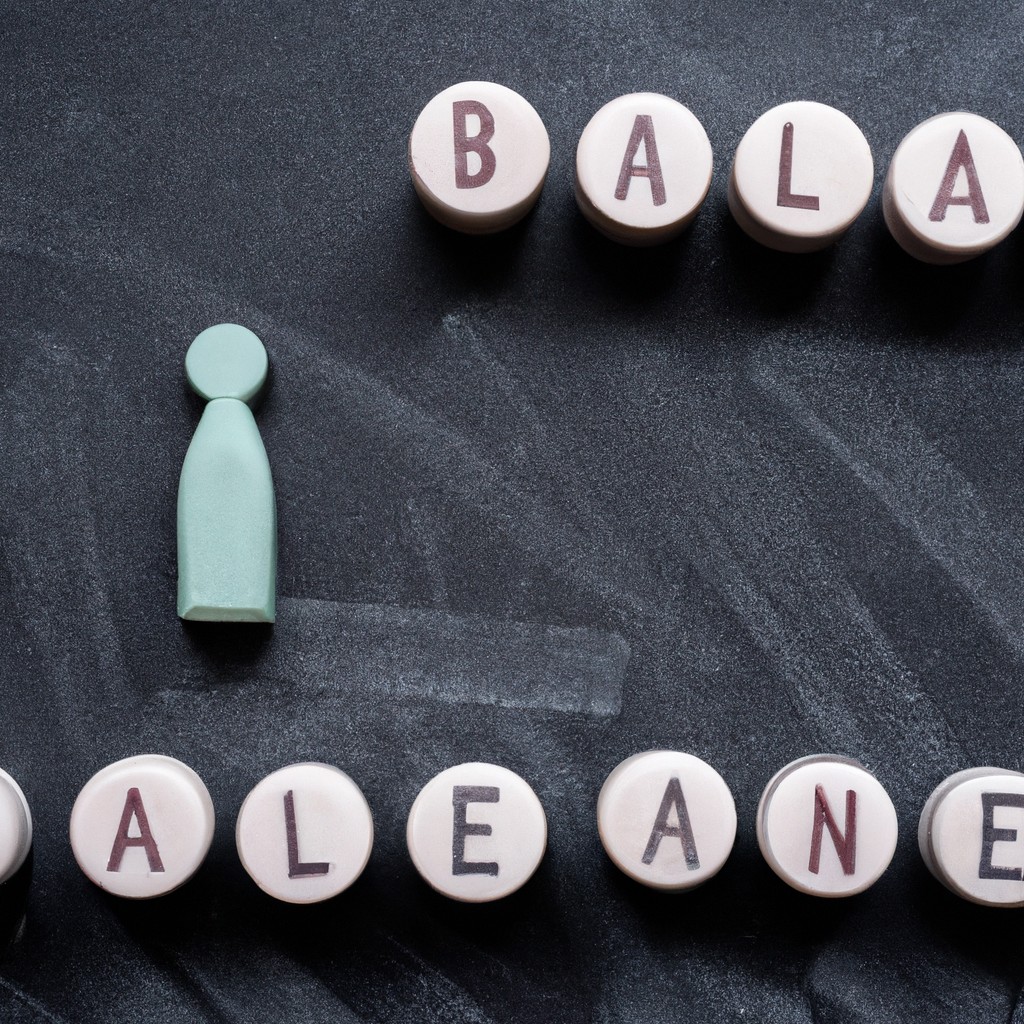
Gender representation in leadership roles has long been a topic of discussion in society. While progress has been made in recent years, there is still a significant disparity between the number of men and women in positions of power. This underrepresentation of women not only restricts their opportunities for professional growth but also hinders diversity and inclusion within organizations. It is crucial to address this issue by promoting gender equality and creating inclusive environments that value the contributions of all individuals, regardless of their gender. By breaking down barriers and challenging traditional norms, we can work towards a more equitable society where leadership is based on merit rather than gender.
Read more
Gender pay gap

The gender pay gap refers to the difference in earnings between men and women, typically expressed as a percentage of men's earnings. It highlights the systemic inequality and discrimination faced by women in the workplace. Despite considerable progress over the years, the gap persists. Numerous factors contribute to this issue, including occupational segregation, where women are concentrated in lower-paying sectors, and the undervaluation of women's work. The impact is wide-reaching, affecting not only women's economic security but also their long-term financial stability, retirement savings, and overall well-being. Addressing and eliminating the gender pay gap requires concerted efforts from individuals, organizations, and governments alike.
Read more
Gender disparity

Gender disparity remains a pervasive issue in today's societies, with women disproportionately affected by inequitable opportunities and societal expectations. From education to employment, women often face barriers that hinder their progress and limit their potential. The gender wage gap, where women earn less than their male counterparts for the same work, perpetuates inequality at every level. Moreover, women continue to be underrepresented in leadership positions, further exacerbating the power imbalance. Efforts to address gender disparity must involve dismantling patriarchal norms, promoting equal access to education and healthcare, and empowering women to participate fully in all spheres of life. It is crucial for society to recognize and challenge deeply ingrained biases to create a more inclusive and equitable future for all.
Read more
Gender inequality

Gender inequality is a persistent issue affecting societies worldwide. It refers to the unequal treatment and opportunities granted to individuals based on their gender. This discrimination manifests in various aspects of life, including education, employment, and social roles. Women often face limited access to education, resulting in a lack of economic opportunities. Additionally, they are paid less than their male counterparts in many industries. Furthermore, gender stereotypes assign specific roles and expectations to individuals, restricting their choices and potential. This systemic discrimination not only hinders individual development but also undermines societal progress. It is crucial to dismantle gender inequality through awareness, education, and advocacy to create a fair and inclusive world for all.
Read more
the importance of addressing gender and racial wage gaps

Addressing gender and racial wage gaps is of utmost importance in building a fair and equitable society. These gaps perpetuate discrimination, inequality, and hinder progress. They deprive individuals of equal opportunities and economic security, impacting their lives and the overall social fabric. Closing these gaps not only benefits marginalized groups but society as a whole. It fosters inclusivity, boosts productivity, and promotes innovation. It is a moral imperative to rectify these disparities and create a level playing field for everyone, regardless of their gender or race. By tackling these wage gaps head-on, we can foster a society that values diversity and ensures equal economic opportunities for all.
Read more