Causes of urbanization

Urbanization refers to the increased concentration of people in urban areas, which is driven by various factors. One key cause is rural-urban migration, where individuals move from rural areas to cities in search of better economic opportunities. Rapid population growth also contributes to urbanization, as it leads to increased demand for housing, infrastructure, and services. Industrialization and the growth of industries in urban areas create job opportunities, attracting people to move from rural to urban areas. Additionally, globalization and improved transportation systems facilitate the movement of goods and people, further promoting urbanization. Evidently, a combination of push and pull factors lead to the ongoing process of urbanization across the globe.
Read more
Virtual Reality

Virtual Reality (VR) is an immersive technology that simulates real or imagined environments, enveloping users in a sensory experience. With VR, users wear a head-mounted display that projects computer-generated visuals onto their field of view, creating a realistic and lifelike environment. The sensation of presence is further enhanced by accompanying spatial audio and handheld controllers that allow users to interact with objects and navigate the virtual world. Whether exploring ancient ruins, taking part in thrilling adventures, or connecting with others in virtual communities, VR offers a unique and captivating experience. As technology advances, VR is increasingly utilized in various fields, from entertainment and gaming to education and healthcare.
Read more
Types of political organization

Political organization can be categorized into different types, each varying in its structure and governance. One type is the unitary system, where power is centralized in a single governing body. In contrast, federal systems distribute power between central and regional governments. Another type is confederation, where several independent entities come together for a common purpose while maintaining their sovereignty. Some countries adopt a parliamentary system, where the executive branch is dependent on the legislative branch. In presidential systems, the executive branch is separate and independent from the legislative branch. Lastly, authoritarian regimes concentrate power in a single ruler or party, limiting individual freedoms. These diverse forms of political organization shape the dynamics and governance within a country.
Read more
traditions

Traditions are the threads that weave through the tapestry of our lives, connecting us to our history and roots. They give us a sense of belonging, providing comfort and stability in a rapidly changing world. Whether it's celebrating holidays with loved ones, passing down family recipes, or observing cultural rituals, traditions hold immense value. They create lasting memories, fostering a deep sense of identity and community. Traditions also provide an anchor, grounding us in our values and beliefs, guiding us through life's challenges. In an increasingly digital and disconnected society, cherishing and preserving our traditions becomes even more important, ensuring our heritage endures for generations to come.
Read more
Structure of political organizations

Political organizations vary in structure depending on their goals and size. Generally, a hierarchical structure is followed, with a leader at the top. This leader, such as a president or chairperson, makes decisions and oversees the organization's operations. Below the leader, there are different departments or committees responsible for specific tasks. These departments may include finance, communication, and policy-making. Members of the organization can participate in these departments, contributing their skills and expertise. Additionally, there may be regional or local branches that operate under the main organization's guidance. The structure ensures efficient coordination and collaboration within the political organization, enabling it to achieve its objectives effectively.
Read more
social norms

Social norms are the unwritten rules that dictate acceptable behavior within a given society. These norms shape our interactions and guide our actions. They provide a sense of belonging and unity. Social norms vary across cultures and communities, reflecting their unique values and beliefs. They can encompass a wide range of behaviors, from greeting someone with a handshake to wearing certain clothes for specific occasions. Social norms help maintain order and harmony in society, but they can also limit individual expression. Challenging social norms can be risky, as it may result in criticism or ostracism. However, it is through questioning and breaking norms that progress and change occur.
Read more
Internet of Things
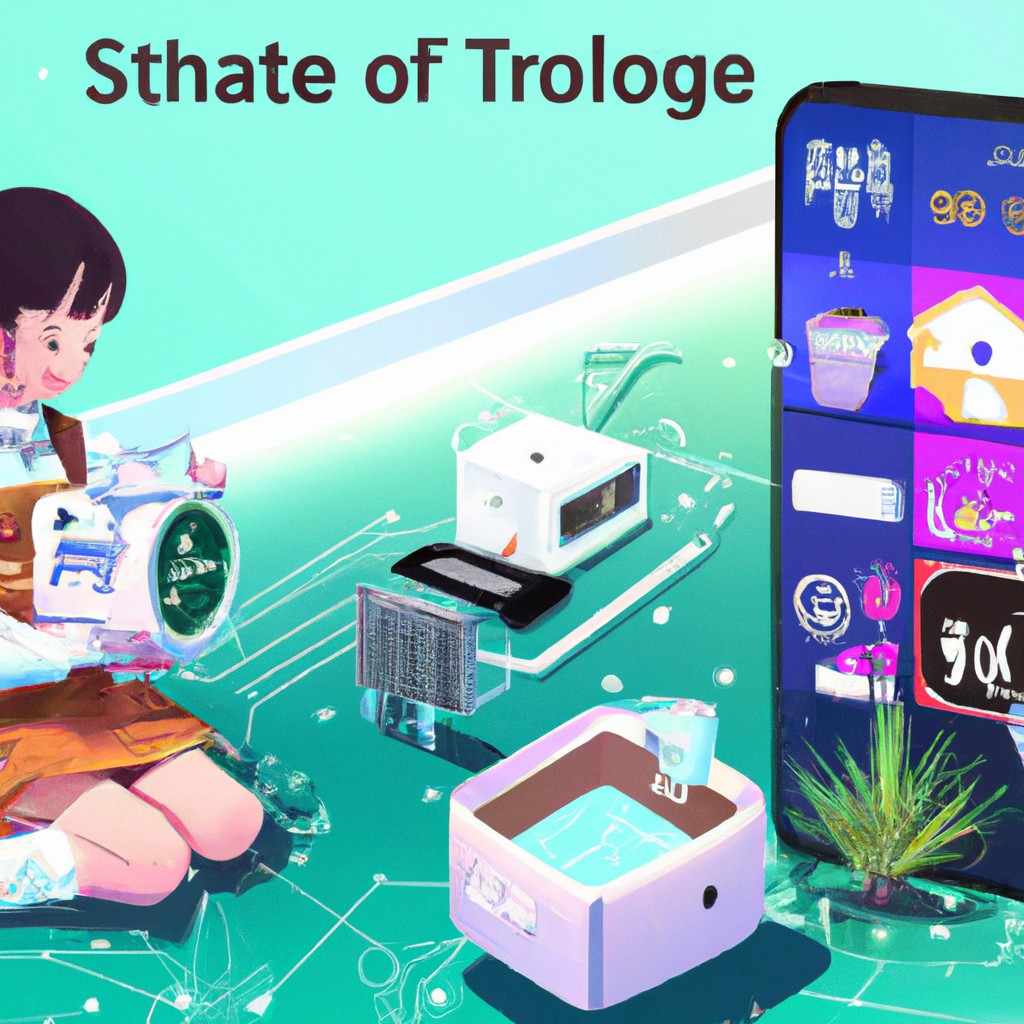
The Internet of Things, or IoT, refers to the interconnected network of physical devices, vehicles, appliances, and other objects embedded with sensors, software, and connectivity. These devices can collect and exchange data, making our everyday lives more efficient and interconnected. Imagine a world where your fridge automatically orders groceries, your thermostat adjusts to your preferred temperature, and your car alerts you to the nearest available parking spot. With IoT, this interconnectedness becomes a reality, revolutionizing industries like healthcare, transportation, and agriculture. However, this technology also raises concerns about privacy and security, as the vast amount of data collected requires robust measures to protect individuals' information. Yet, when utilized responsibly, IoT holds immense potential to improve our quality of life.
Read more
Functions of political organizations

Political organizations serve crucial functions in society. They help citizens voice their concerns and aspirations, acting as a platform for democratic participation. These organizations play a critical role in influencing public policy and government decisions. Through their advocacy efforts, they raise awareness about important social issues and promote change. Political organizations also facilitate the mobilization of like-minded individuals, uniting them in their shared goals and objectives. They provide a platform for candidates to run for elected office, contributing to the democratic process. Additionally, these organizations help foster a sense of community and belonging among their members, creating a space for political discourse and engagement. In summary, political organizations serve as vital vehicles for civic engagement and the advancement of democracy.
Read more
Food

Food is a source of sustenance, providing nourishment and fuel for our bodies. It fuels our energy, allowing us to carry out our daily activities. The taste of food is a sensation that can bring great joy and satisfaction. From the aroma of freshly baked bread to the savory flavor of a well-cooked steak, food has the power to evoke emotions and create memories. It is a universal language that connects people from different cultures and backgrounds. Whether it's a simple home-cooked meal shared with loved ones or an elaborate feast at a celebration, food has the ability to bring people together and create a sense of belonging.
Read more
art and music
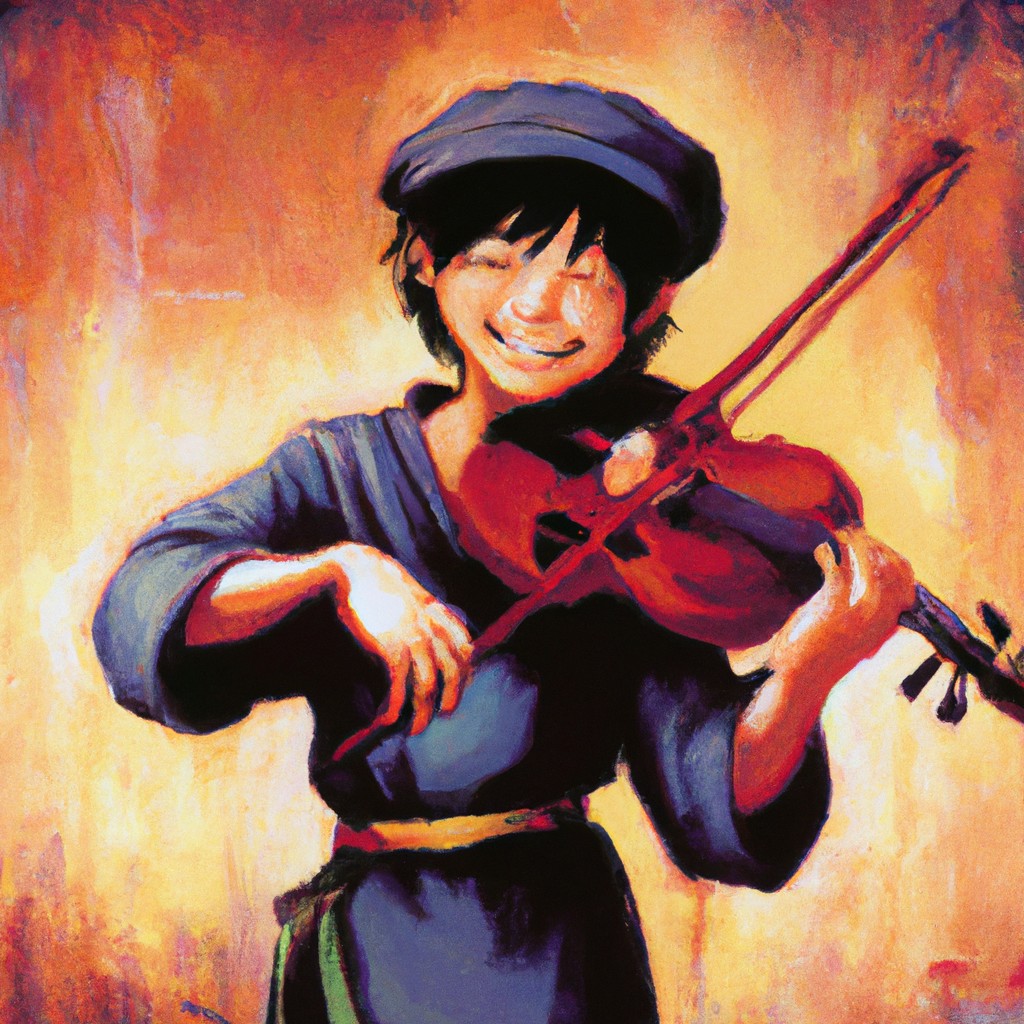
Art and music are intertwined, creating an enchanting symphony that speaks to the soul. Vibrant strokes of paint dance across a canvas, conveying emotions that words fail to capture. Melodies weave through the air, caressing our ears with their rhythmic allure. In this harmonious marriage, artists express their deepest fears, joys, and desires. The visual and auditory realms collide, igniting a visceral response within us. When we gaze at a masterpiece or listen to a haunting melody, we are transported to a realm where imagination knows no bounds. It is in these moments that art and music awaken our senses, evoking emotions that connect us to our shared human experience, reminding us of the beauty that surrounds us.
Read more