Examples of historical populist movements

Historical populist movements include the People's Party in the United States, which challenged industrial elites. In Russia, the Narodniks sought to empower peasants and overthrow the monarchy. The Zapatista movement in Mexico fought for indigenous rights and land reform. Italy's Fascist party led by Mussolini capitalized on nationalist sentiment and anti-communist fervor. Germany's Nazi Party under Hitler rose to power by exploiting economic turmoil and anti-Semitic rhetoric. These movements often tapped into people's frustrations to gain support for their agendas. While some achieved short-term success, others led to authoritarian rule and widespread suffering among marginalized groups.
Read more
Effects of populism on political landscape
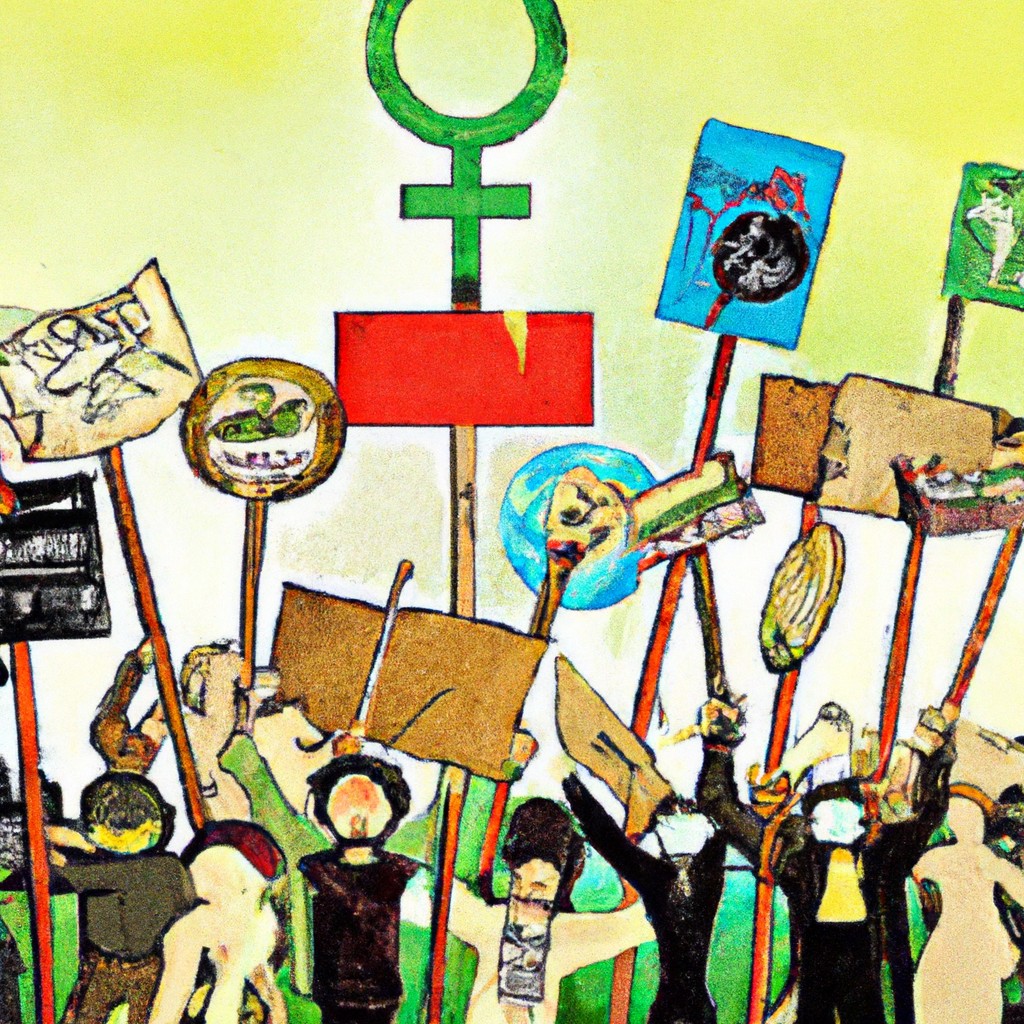
Populism reshapes political norms, polarizing society with simplified rhetoric. Fear and anger drive movements. Leaders exploit emotions, manipulating truths. Divisions deepen as trust erodes, institutions challenged. Populist agendas disrupt governance, fueling uncertainty. Economic policies prioritizing majority often neglect marginalized groups. Nationalism rises, international cooperation wanes, breeding isolationism. Populism amplifies discontent, offers quick fixes, widening ideological gaps. Politics evolve, with populism shaping debates, blurring lines between fact and fiction. The ripple effects extend beyond elections, altering cultural landscapes. Societal fabric strained, democracy faces tests of resilience, adapting to changing political tides.
Read more
Contemporary populist movements
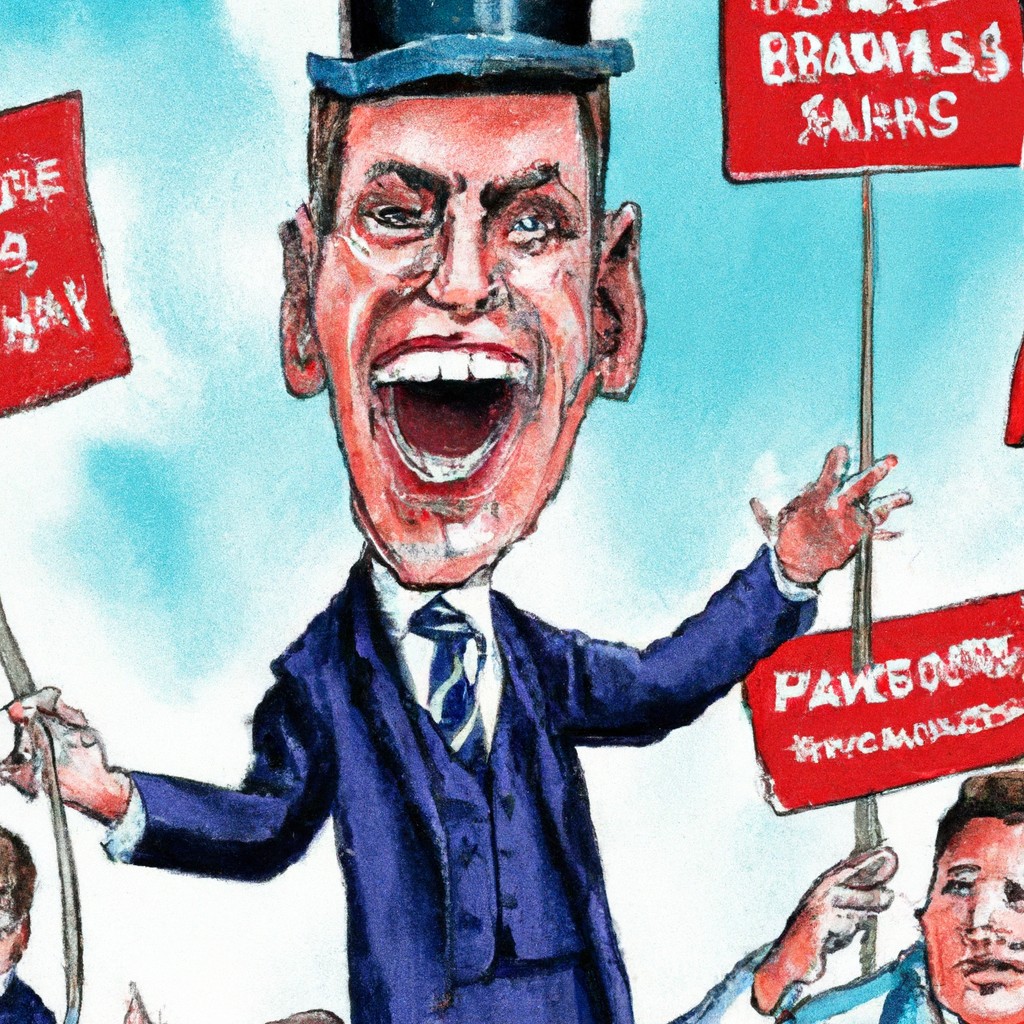
Contemporary populist movements often appeal to emotions, promising simple solutions to complex problems. They capitalize on dissatisfaction with traditional political elites. These movements tap into fears about immigration, globalization, and economic inequality. Populist leaders are skilled at using social media to spread their messages and connect with supporters. The rise of populist movements has challenged established political norms and institutions. Supporters often feel a sense of empowerment and belonging, fueling their loyalty to the movement. However, critics warn about the dangers of populism, citing its potential to undermine democracy and promote division within society.
Read more
Sustainable trade.

Sustainable trade is vital for balancing economic growth with environmental protection. It fosters fair practices that benefit communities, ecosystems, and future generations. By prioritizing renewable resources and ethical production methods, sustainable trade promotes long-term prosperity and global cooperation. Consumers play a crucial role by supporting businesses that uphold these principles. Embracing sustainability in trade ensures a more resilient and equitable world for all. It calls for transparency, accountability, and innovation in supply chains, driving positive change across industries. Collaboration between governments, businesses, and consumers is key to achieviing a sustainable trading system that values people and the planet.
Read more
Origins of populism
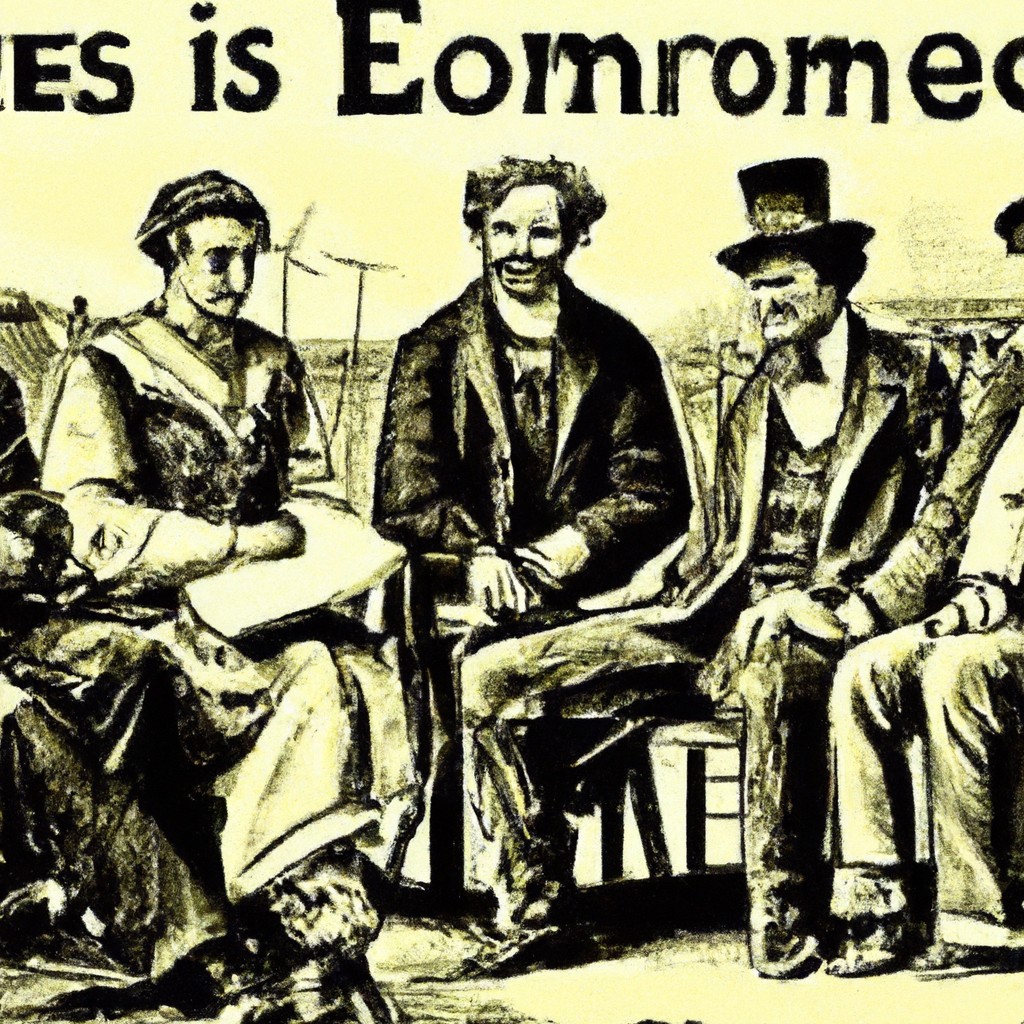
Populism finds roots in connecting with average people, often championing their concerns against elites. Populist leaders rally supporters by framing issues as "us versus them," fostering a sense of common identity. These movements capitalize on societal discontent, often arising from economic disparities or cultural divides. Populism typically thrives when traditional institutions fail to address citizen needs adequately. The appeal lies in promises of radical change and amplifying voices of those feeling marginalized. While populism may give voice to the voiceless, it can also fuel polarization and undermine democratic norms. Understanding its origins offers insights into contemporary political landscapes.
Read more
Media influence

Media has a potent impact on society. Messages from TV, news, and social media shape our thoughts. We absorb information subconsciously. Celebrity endorsements influence our preferences and behaviors. Advertisements create desires and mold perceptions. Media can educate masses, but also manipulate opinions. It affects consumer choices and societal norms. People seek validation through social media. Power dynamics are altered through media representation. This influence is pervasive and sometimes subtle. Media shapes culture and politics. The reach of media is vast and profound. It can both uplift and mislead society. The power of media influence is undeniable and complex.
Read more
Key characteristics of populist movements

Populist movements often thrive on anti-establishment sentiment, tapping into public discontent and frustration. They appeal to the emotions of the masses, simplifying complex issues to resonate with ordinary citizens. Populists often portray themselves as champions of the common people, while vilifying elites and political insiders. Their leaders are charismatic figures who connect with audiences through fiery rhetoric and promises of change. These movements can be nationalistic, seeking to protect local interests and culture from outside influence. Populism tends to polarize societies, creating a sense of "us versus them" and amplifying divisions within communities.
Read more
Digital transformation in global trade

Global trade is evolving rapidly with digital transformation being a key driver. Businesses are adapting to new technologies to streamline processes and enhance efficiency. Embracing digital tools opens doors to wider markets and enables better communication with customers worldwide. This shift improves supply chain management and facilitates faster order fulfillment. Additionally, the use of data analytics helps companies make better-informed decisions and adapt quickly to market changes. The digitalization of global trade is revolutionizing traditional business models, creating new opportunities for growth and innovation. As technology continues to advance, companies that leverage digital transformation will have a competitive edge in the global marketplace.
Read more
Cultural identity
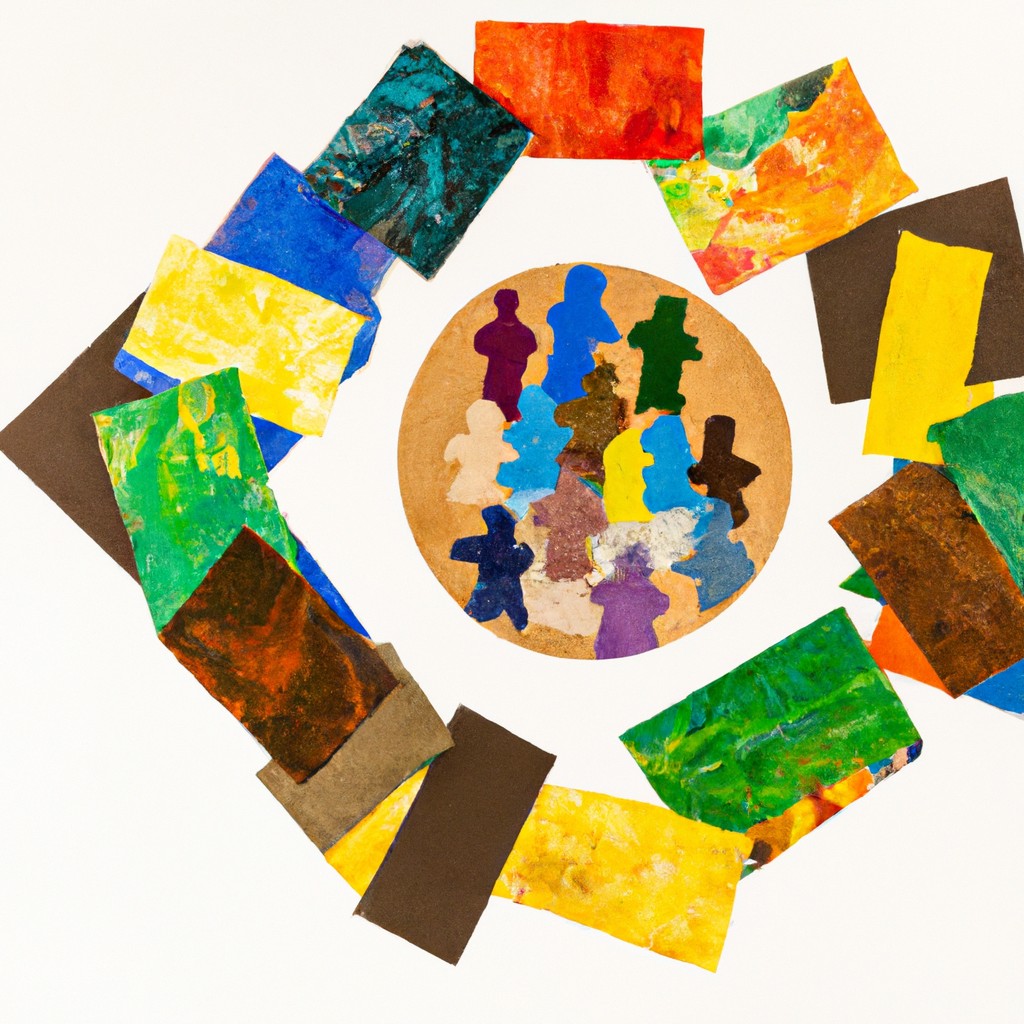
Cultural identity refers to the sense of belonging and connection individuals have with their cultural heritage. It encompasses traditions, values, and customs passed down through generations. This unique blend of beliefs and practices shapes one's worldview and shapes personal relationships. Embracing cultural identity fosters a deep understanding and appreciation of diverse perspectives, promoting empathy and mutual respect. It provides a strong foundation for self-expression and confidence, enabling individuals to navigate societal challenges while staying true to their roots. Celebrating cultural identity also cultivates a rich tapestry of shared experiences, forging bonds that transcend boundaries and unite communities in harmony.
Read more
Trade barriers

Trade barriers refer to the restrictions imposed by governments that hinder the free movement of goods and services between countries. These barriers can take various forms, such as tariffs, quotas, or regulatory measures. They are intended to protect domestic industries from foreign competition but can also have negative consequences. For example, they can lead to higher prices for consumers, reduce choices, and limit economic growth. Advocates of free trade argue that reducing trade barriers can promote efficiency, innovation, and higher living standards. Finding the right balance between protecting domestic industries and promoting international trade is a complex challenge.
Read more